
Engine Sphere · Person
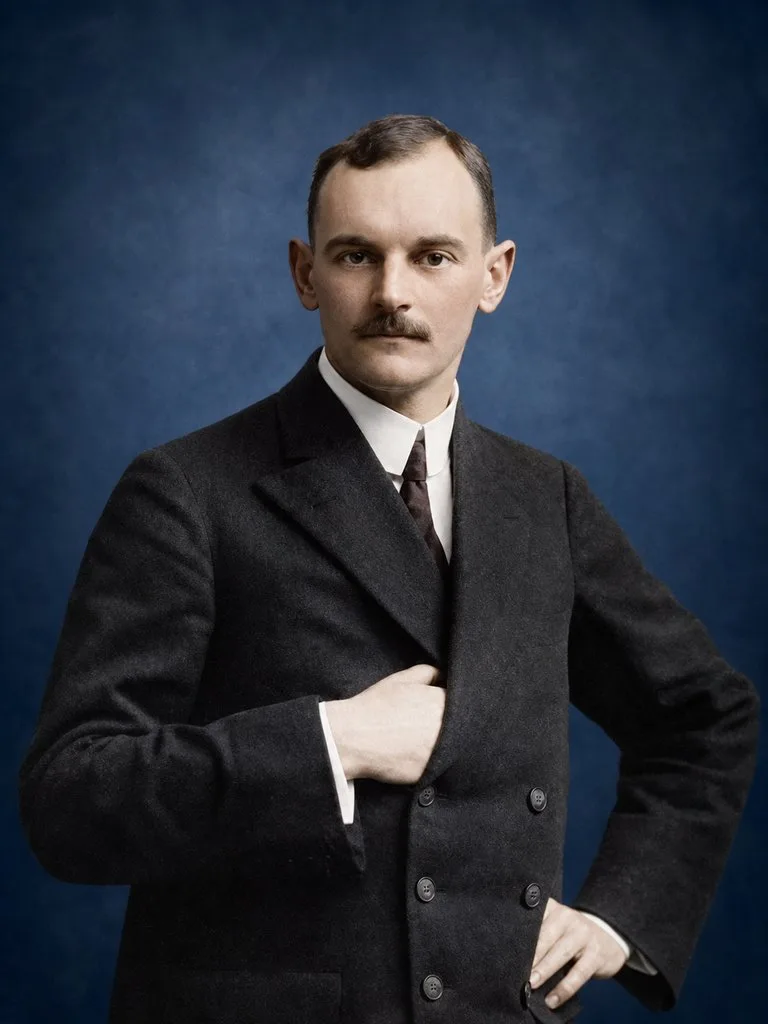
Catalogued Entry No. 027Karl Rapp
1882–1962GermanFOUNDER
German engineer who founded the aero-engine company that was reorganized into BMW.
The House They Shaped
The Record
Who are they?
Karl Rapp's place in automotive history is real but narrow: he is the founder of the company whose renaming became BMW, yet he departed before that name existed and is far less celebrated within BMW's own storytelling than the engineers and executives who followed him. Trained as an engineer, Rapp founded Rapp Motorenwerke in Munich in 1913 to build aircraft engines, a business that expanded rapidly under the demands of the First World War.
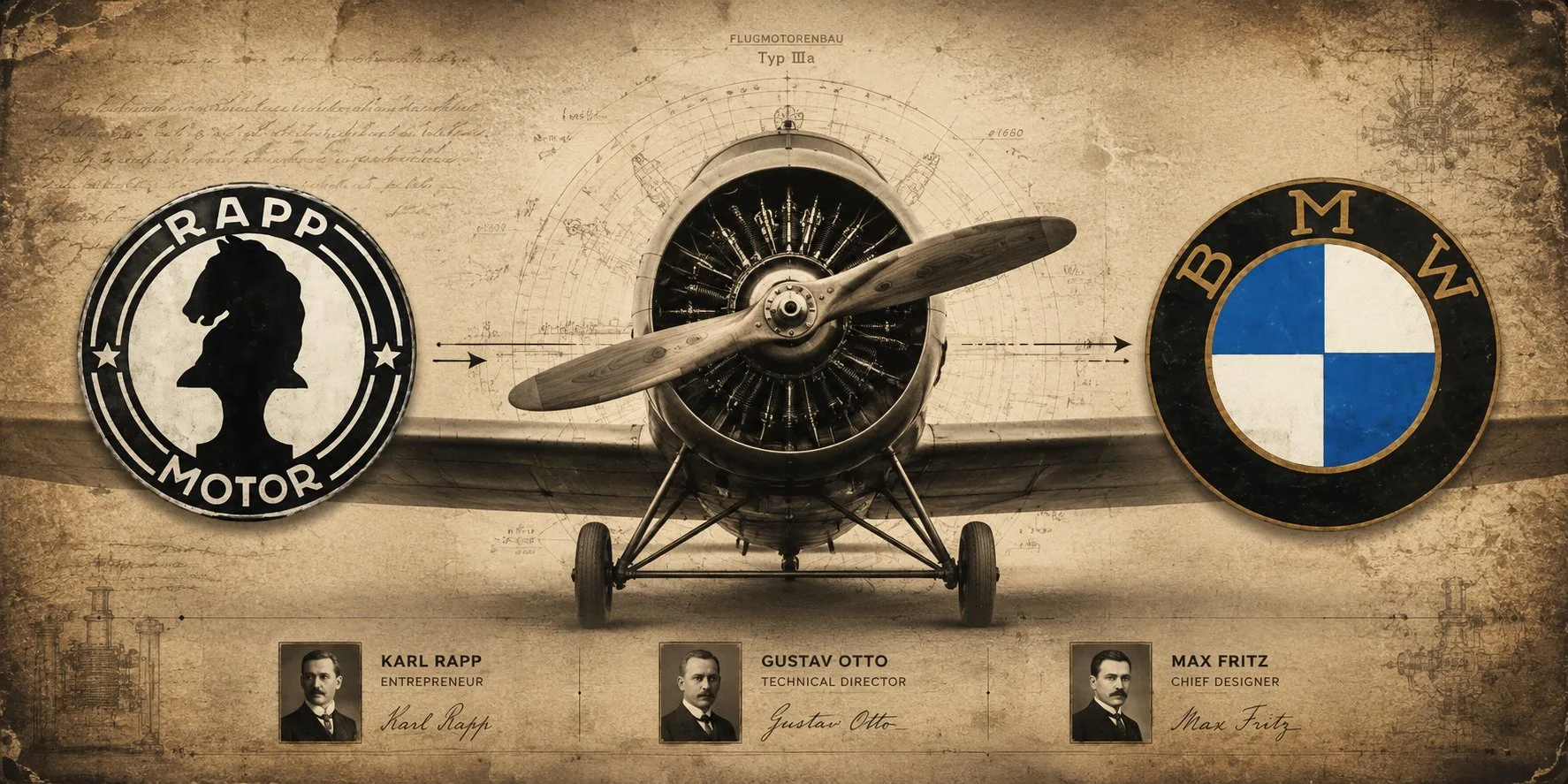
Quality and reliability problems with Rapp's aero engines during the war led to management changes, and Rapp himself left the company he had founded in 1917, shortly before it was reorganized and renamed Bayerische Motoren Werke - the name, and much of the corporate lineage, that BMW carries to this day.
↓ Read deeper↑ Less
The documented record on Rapp's engineering background and personal biography before founding his company is comparatively thin next to better-chronicled contemporaries; what is established is that he had the technical grounding to found and initially run an aero-engine manufacturer during a period of intense wartime demand for exactly that capability. His company's early Rapp Motorenwerke engines, however, developed a reputation for vibration and reliability issues that drew military criticism.
Those engineering problems, combined with wartime pressure to professionalize production, led to Rapp's departure from the firm in 1917, with Austrian financier Camillo Castiglioni and new technical leadership (including Max Friz, whose engine designs proved far more successful) taking the company in a new direction almost immediately - a reorganization that culminated in the Bayerische Motoren Werke name and the founding date BMW itself now marks.
Formation
Where did it come from?
Munich in the years before the First World War was becoming a center of German engineering and light industry, and Rapp's decision to found an aero-engine manufacturer there in 1913 positioned the company just ahead of a war that would make aviation engineering suddenly and urgently strategic. Little detailed biographical material survives on Rapp's life before this founding moment relative to more thoroughly documented industrial figures of the era.
↓ Read deeper↑ Less
What can be stated with confidence is the founding date and location - Munich, 1913 - and the company's initial focus on aircraft engines, a technically demanding field given aviation's youth at the time. The outbreak of war in 1914 immediately increased demand for exactly this kind of manufacturing capability, and Rapp Motorenwerke expanded accordingly through the war's early years.
Career
What did they do?
Rapp's career centers almost entirely on the 1913-1917 period at the head of Rapp Motorenwerke, a compressed but historically significant span given what the company became after his departure. Reliability issues with his engines' vibration characteristics, criticized by military customers, contributed to a 1917 reorganization in which new financial and technical leadership - notably Camillo Castiglioni and engineer Max Friz - took over, and the company was renamed Bayerische Motoren Werke shortly after.
↓ Read deeper↑ Less
The precise circumstances of Rapp's 1917 departure are described in company histories as a mix of engineering setbacks and a broader wartime push to consolidate and professionalize German aviation manufacturing, rather than a single dramatic event. What followed his exit - Max Friz's much more successful engine designs and the company's renaming - is comparatively well documented; Rapp's own subsequent career after leaving the firm that became BMW is not prominently recorded in available sources.
Encyclopedia1 section
legacy
What did it leave behind?
Editorial inference
Rapp's legacy is foundational in the strictest corporate-history sense - without Rapp Motorenwerke, there is no company for Castiglioni and Friz to reorganize into Bayerische Motoren Werke in 1917 - but it is a legacy of company creation rather than of the engineering and brand identity BMW is known for today. He left before the roundel badge, before the aero engines that won BMW its early racing and altitude records, and before the automobile and motorcycle production that eventually defined the marque.
Sources & Confidence
The available record on Karl Rapp is genuinely thinner than for most other founders in this archive, reflecting both the century-plus gap and his relatively brief, early tenure at the head of a company that became famous under different leadership. Categories of source that would deepen verification include BMW's own corporate archive and German-language histories of early 20th-century Bavarian aviation manufacturing.