ENGINE SPHERE
ManufacturersFerrari
Engine Sphere · Manufacturer

Ferrari

Est. 1947Luxury sports cars and motorsport

Ferrari is an Italian luxury sports-car manufacturer headquartered in Maranello. Its official road-car history began in 1947 with the Ferrari 125 S.
Catalogued Entry No. 014
Ferrari

Founded

Est. 1947

Status

Active

Parent Company

Ferrari N.V.

Headquarters

Maranello, Italy

Industry Focus

Luxury sports cars and motorsport

The Catalogue
CAR
Manufacturer
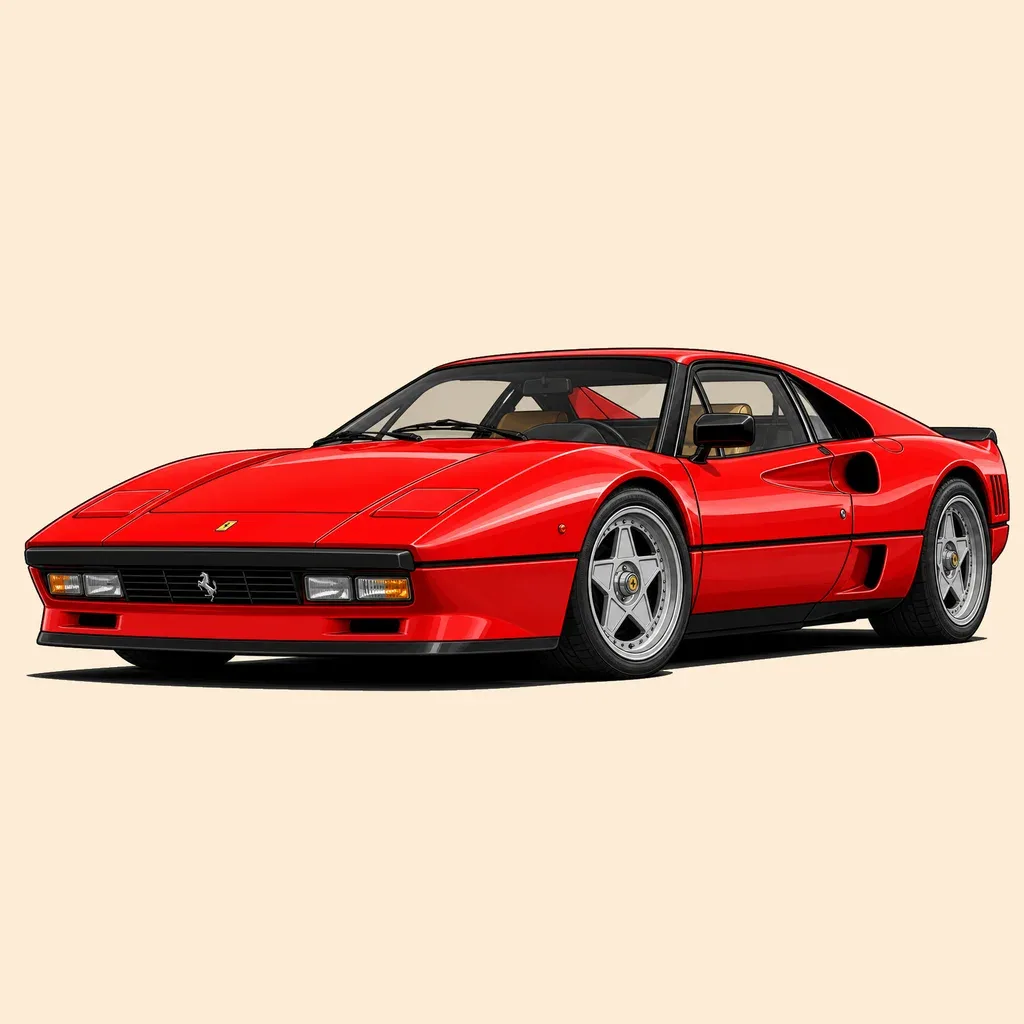
Ferrari 125 S
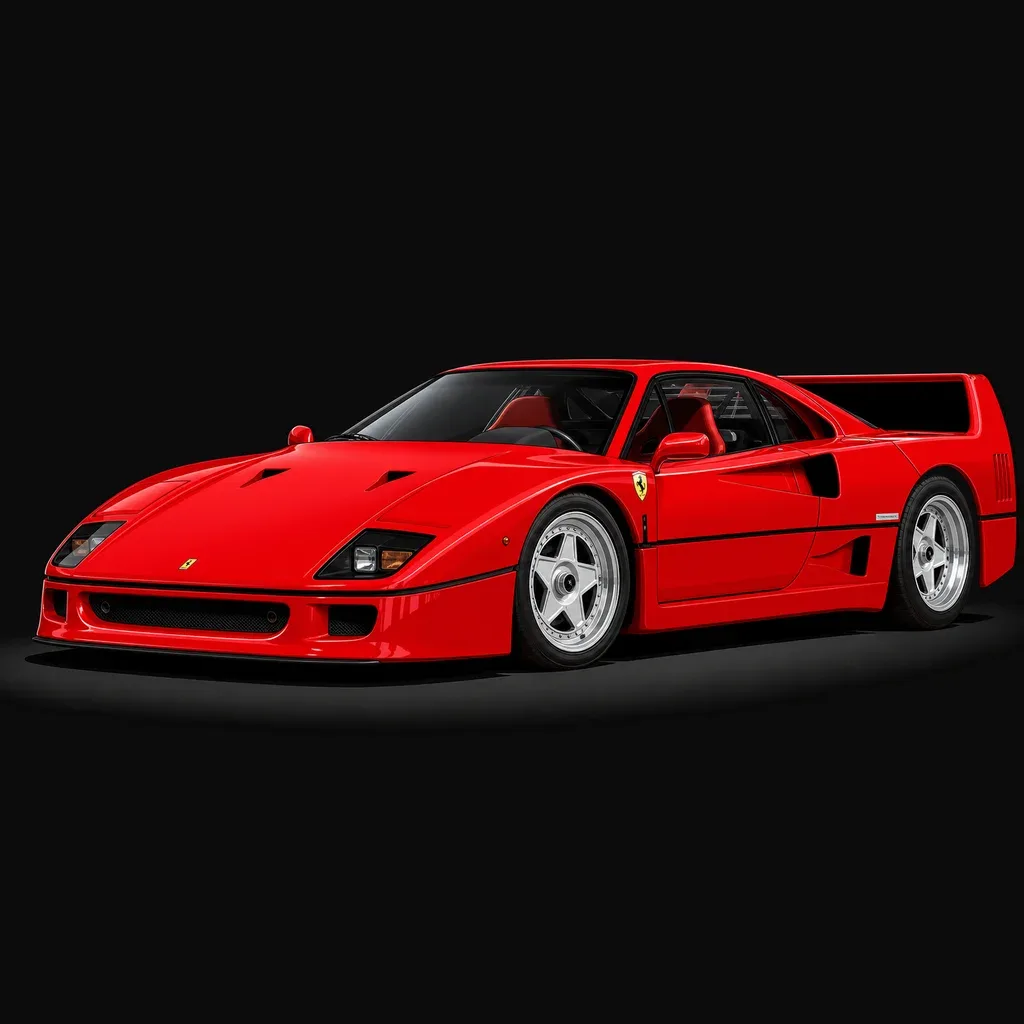
Ferrari F40 (F120)
Manufacturer
Ferrari F40 (F120)
The People Behind It
Part of the Family
MANUFACTURER
Subsidiary
Scuderia Ferrari
Connected Graph

MANUFACTURER

EVOLUTION OFAuto Avio Costruzioni
MANUFACTURERSTUB
COMPETES WITHMcLaren Automotive
MANUFACTURERSTUB
COMPETES WITHPorsche
MANUFACTURERSTUB
COMPETES WITHLamborghini
MANUFACTURERSTUB

THEME

BELONGS TO THEMEFormula One
THEMESTUB
BELONGS TO THEMEItalian Motorsport
THEMESTUB
BELONGS TO THEMEAnalog Supercars
THEMESTUB

MUSEUM

SHOWN AT MUSEUMMuseo Enzo Ferrari
MUSEUMSTUB
Encyclopedia
6 sections
legacy

What did it leave behind?

Editorial inference

Ferrari’s legacy is its transformation of racing credibility into one of the world’s most recognisable automotive luxury identities.

Ferrari’s legacy is not only measured in victories, auction values, or bedroom posters. It is measured in the way the company taught the public to read a car as a cultural object. A Ferrari is rarely received as neutral machinery. It arrives already carrying memory: Monza, Le Mans, Maranello, V12s, Pininfarina, Enzo, Rosso Corsa, and the difficult glamour of Italian speed. Few manufacturers have managed to keep competition, craft, scarcity, design, celebrity, and national identity so closely bound. Ferrari is not the only maker of fast cars, nor always the maker of the fastest cars. Its deeper achievement is that it made performance feel ceremonial.
motorsport-competition

Did it race?

Editorial inference

Ferrari is the only Formula One team to have competed in every World Championship season since 1950.

Ferrari and Formula One are inseparable in a way no other manufacturer can quite claim. Formula One’s own Ferrari team profile describes the Scuderia as the only team to have competed in every season since the world championship began. That continuity gives Ferrari a different authority from companies that entered racing as a campaign, a marketing programme, or a technical exercise. The significance of Ferrari racing is not limited to Formula One. The company’s endurance history, especially at Le Mans, belongs to the same story. The 499P programme restored Ferrari to the top class of prototype endurance racing in the 2020s and reconnected the modern factory with one of its oldest competitive stages.
myths-misconceptions

What do people get wrong about it?

Editorial inference

Ferrari’s mythology often blurs the distinction between verified history, brand folklore, and enthusiast simplification.

Ferrari attracts myths because the company has always operated at the edge of secrecy, competition, wealth, and public fascination. Some myths are harmless shorthand. Others flatten the real complexity of the company’s engineering and design history. The most common errors involve origin, authorship, colour, and exclusivity. Ferrari was not born simply as a luxury-car company. verified Ferrari did not design every famous Ferrari body entirely in-house. verified Not every Ferrari is red. verified Ferrari’s road-car identity did not develop separately from racing; it developed in conversation with it. interpretation
pop-culture-sightings

What does it mean in culture?

Editorial inference

Ferrari has appeared prominently in film, television, video games, music culture, and celebrity imagery.

Ferrari’s popular-cultural life is not secondary to its engineering history. The brand became one of the twentieth century’s most legible symbols of desire because cameras understood it. A red Ferrari on screen rarely means transport. It means money, danger, escape, youth, vanity, taste, rebellion, or possession. The Ferrari 308 GTS became closely associated with Magnum, P.I. verified The white Testarossa became one of the defining visual objects of Miami Vice. verified Ferris Bueller’s Day Off used a Ferrari 250 GT California image so effectively that the car became part of the film’s emotional architecture, even though replicas were used for destructive action. verified
rivals-comparisons

What did it compete against?

Editorial inference

Ferrari’s principal rivals have included Maserati, Lamborghini, Porsche, McLaren, Mercedes-Benz, and other elite racing and performance-car manufacturers.

Ferrari’s rivalries are layered. In early Italian racing culture, Maserati was a natural opponent. In the supercar imagination, Lamborghini became the counter-myth: Sant’Agata excess against Maranello discipline. In engineering terms, Porsche has often represented the colder and more repeatable logic of development, while Ferrari represented a more operatic union of engine and identity. McLaren occupies a special place because the rivalry exists both in Formula One and in road cars. The McLaren MP4/4 is already connected in the Engine Sphere graph as a competitive node, and it is a particularly useful contrast: a near-perfect Formula One machine from an era when Ferrari was fighting to recover competitive authority. The supplied Engine Sphere prompt identifies McLaren MP4/4 as a competing entity for Ferrari.
timeline-evolution

How did it evolve?

Editorial inference

Ferrari evolved from Enzo Ferrari’s racing operation into a global luxury sports-car manufacturer with a continuous motorsport identity.

Ferrari’s timeline is not a simple march from small workshop to global company. It is a sequence of transformations held together by racing, the V12, Italian design, selective production, and an unusually durable myth. The company begins in motorsport, becomes a manufacturer in 1947, enters the great coachbuilt period, industrialises with Fiat support, globalises under Montezemolo, and becomes an independent public luxury company in the twenty-first century. The most important dates are not merely corporate. They include design partnerships, racing returns, technical leaps, and symbolic cars. A Ferrari timeline must therefore treat the 125 S, the Pininfarina relationship, the Fiat era, the F40, the modern IPO, LaFerrari, and the 499P as related moments in one story.
Sources & Confidence
Ferrari requires stricter verification than many marques because its history has been retold through memoir, advertising, auction catalogues, enthusiast lore, and cinema. A claim may be famous and still require checking. This profile follows the supplied Engine Sphere manufacturer prompt structure for Ferrari. The strongest source hierarchy begins with Ferrari factory material, corporate filings, FIA and Formula One records, Le Mans and FIA WEC records, Pininfarina archives, period magazines, homologation papers, and serious marque histories. Auction catalogues and dealer descriptions are useful, but they should not be treated as primary sources for production numbers, authorship, or provenance unless they cite underlying documentation.
Questions readers ask

Who founded Ferrari?

Enzo Ferrari founded Ferrari, with the marque’s official road-car story beginning in 1947.

Where is Ferrari based?

Ferrari is based in Maranello, Italy, where Ferrari S.p.A. lists its headquarters and factory at Via Abetone Inferiore n. 4.

What was the first Ferrari?

The Ferrari 125 S was the first car to wear the Ferrari badge.

Is Ferrari still involved in Formula One?

Yes. Scuderia Ferrari remains active in Formula One and has competed in every World Championship season since the championship began.

Did Pininfarina design Ferrari cars?

Yes. Pininfarina began its partnership with Ferrari in 1951 and designed many important Ferrari road cars.

Who owns Ferrari today?

Ferrari operates under Ferrari N.V.; Exor and the Piero Ferrari trust are major long-term shareholders, and Ferrari is publicly listed.

What is Ferrari’s most famous car?

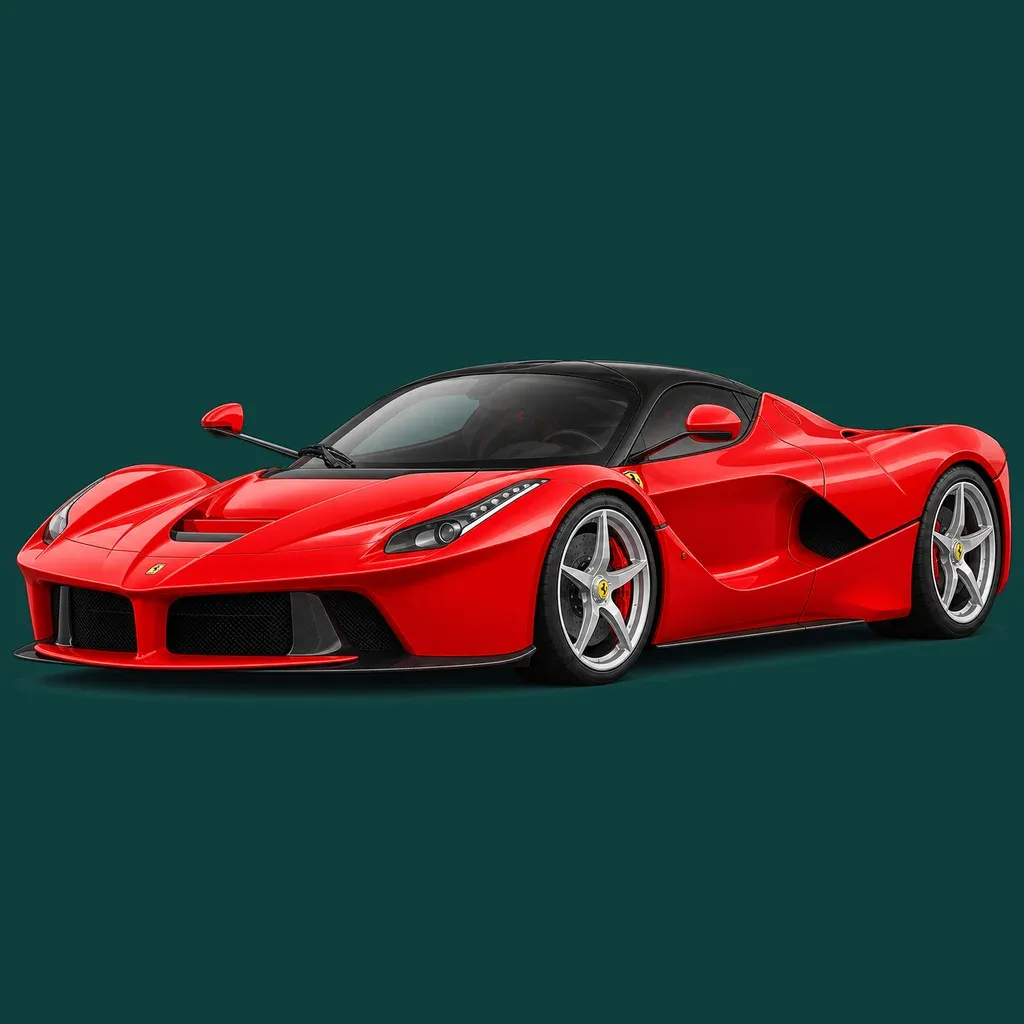
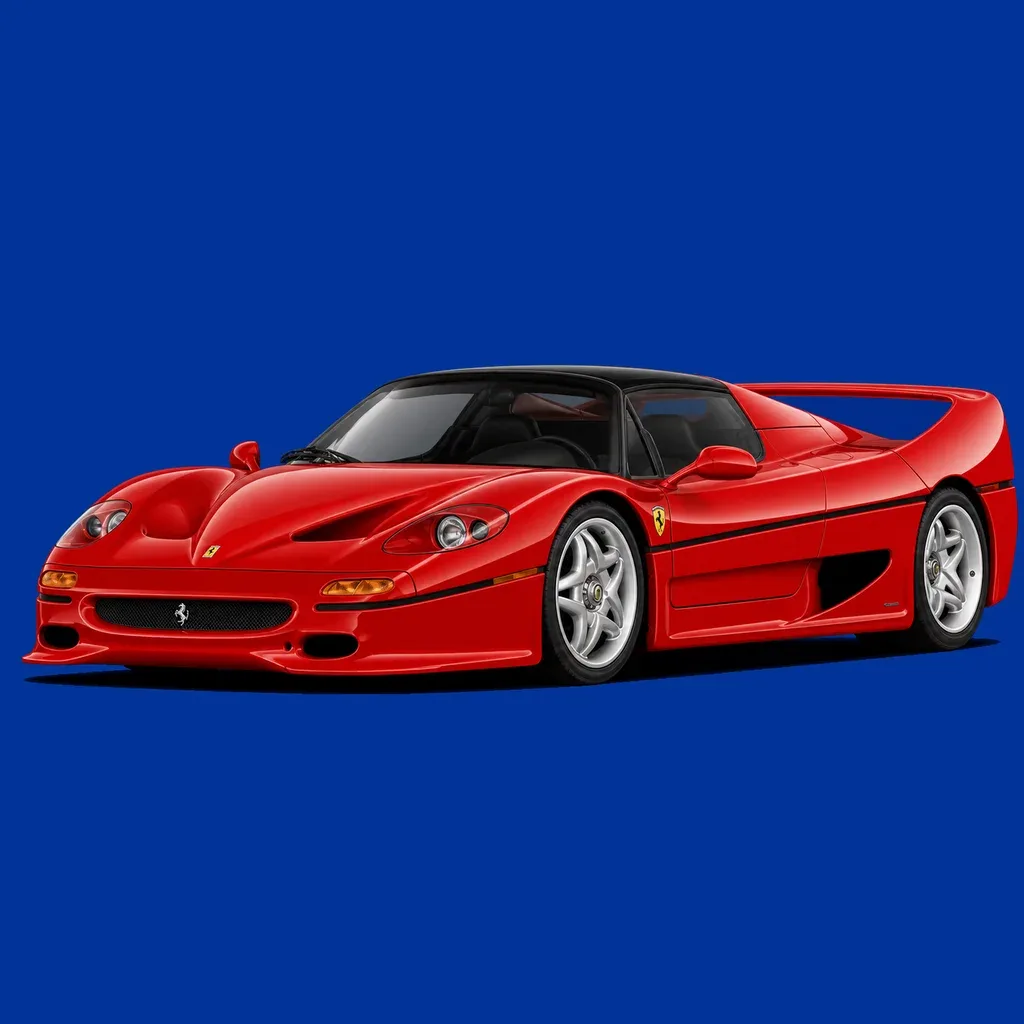
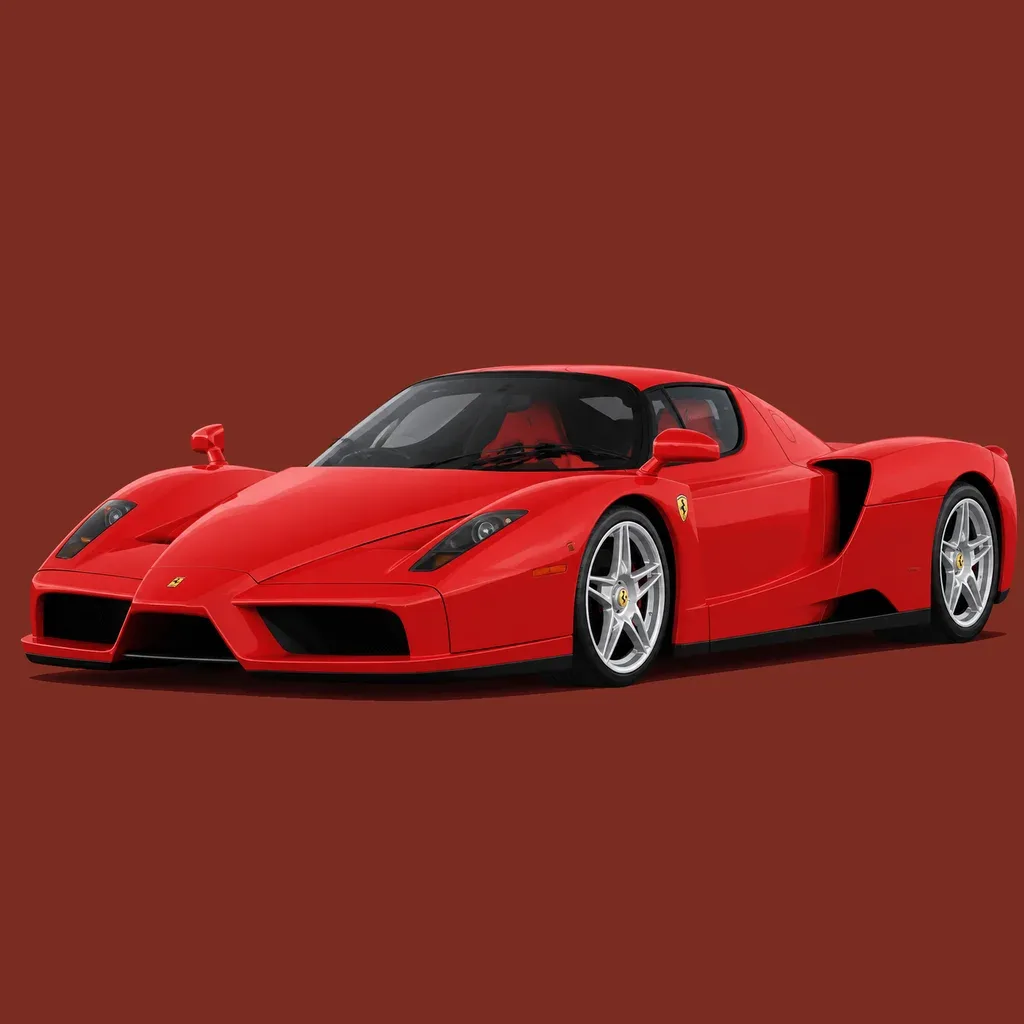
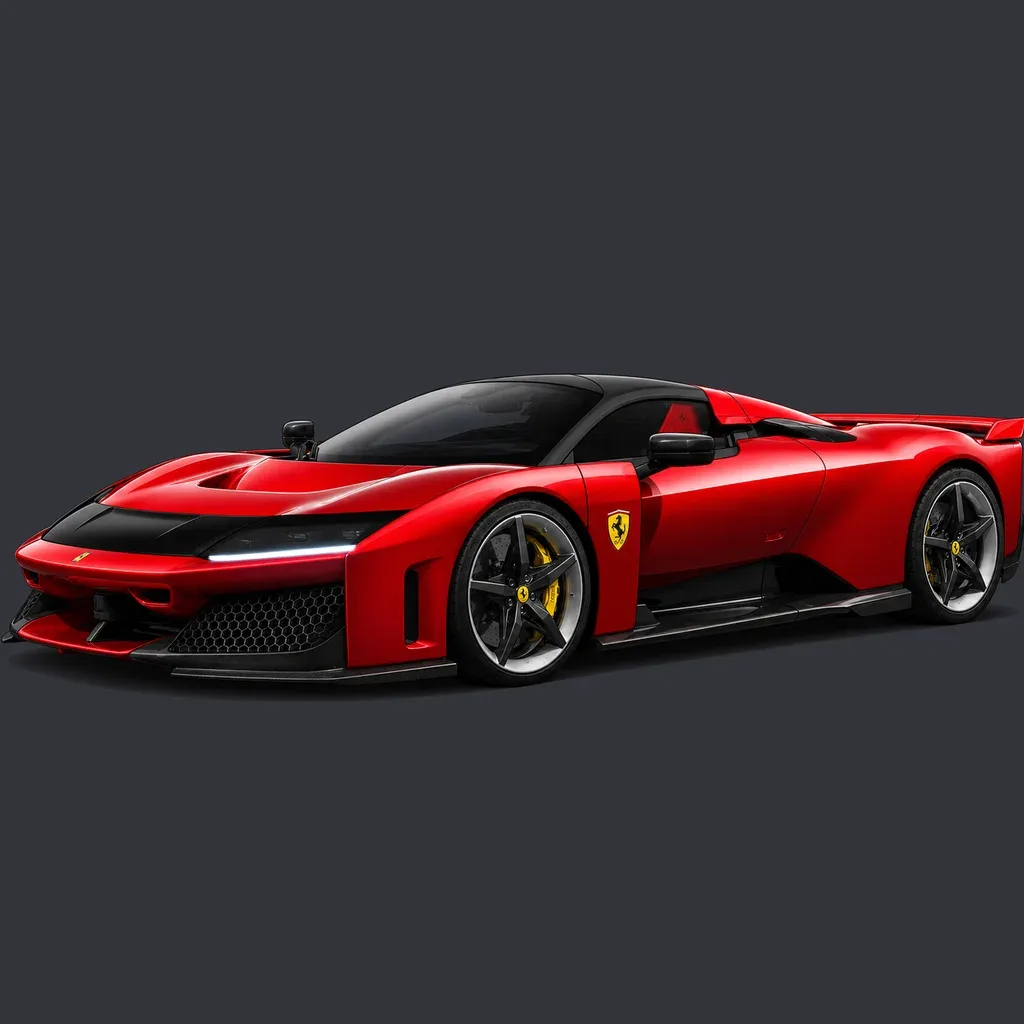
There is no single factual answer, but the 250 GTO, F40, Testarossa, Enzo, and LaFerrari are among the most recognised Ferraris.

Ferrari: Italian Sports Car Manufacturer | Engine Sphere