Engine Sphere · Person
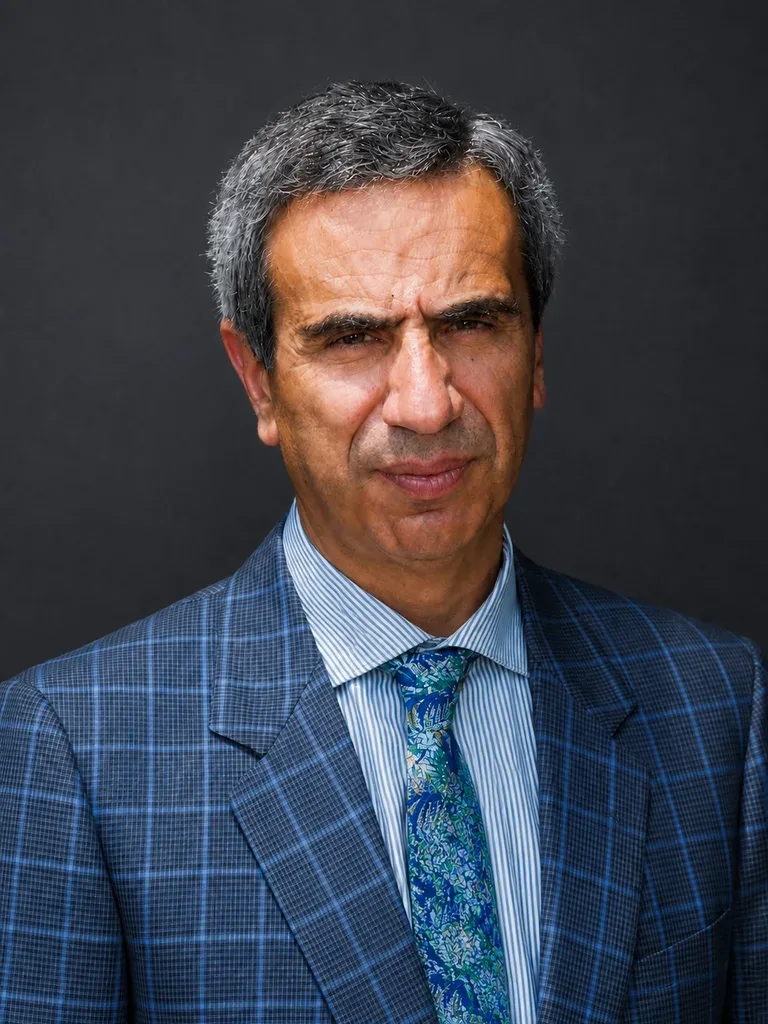
Nicola Materazzi
ENGINEER
Italian engineer, chief engineer of the Ferrari F40.
The Record
Who are they?
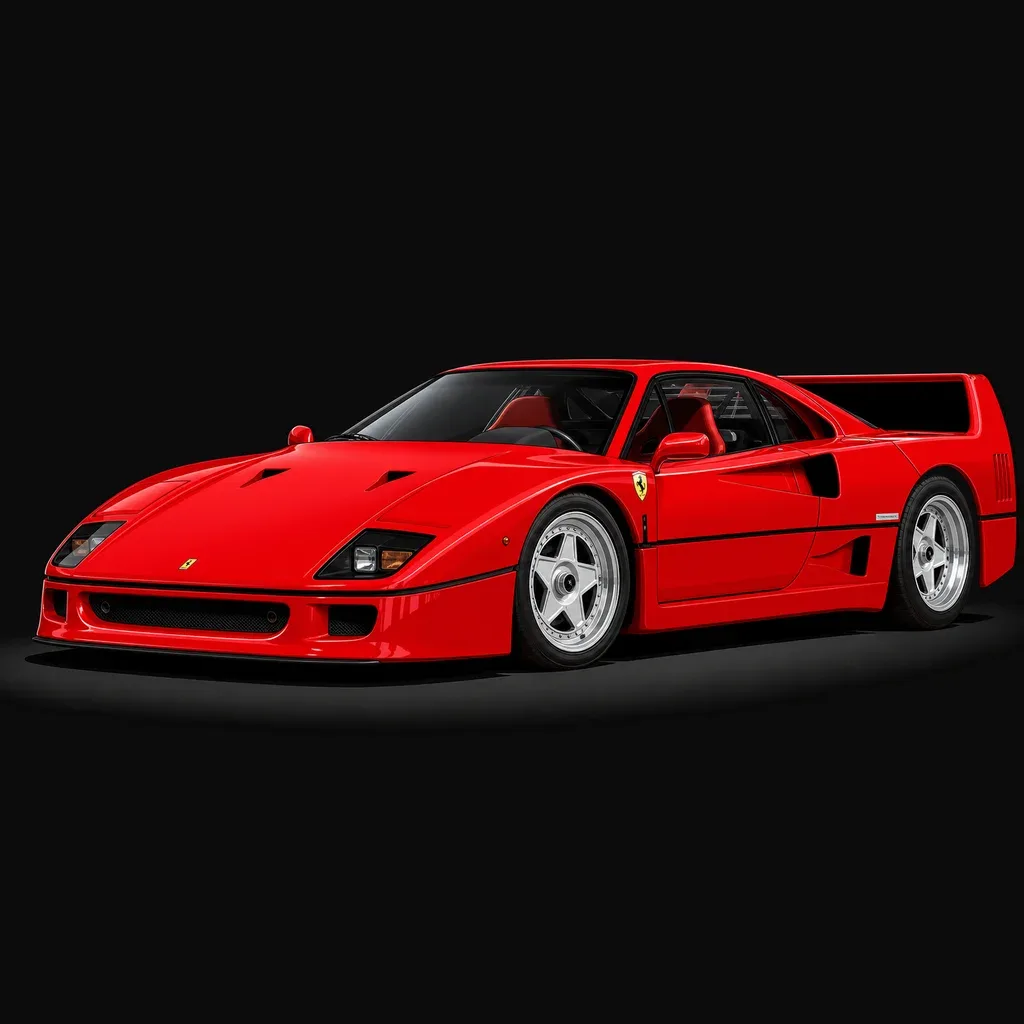
Nicola Materazzi (1939–2022) was an Italian automotive engineer best known as chief engineer of the Ferrari F40, and as one of the leading turbocharging specialists of his generation.
↓ Read deeper↑ Less
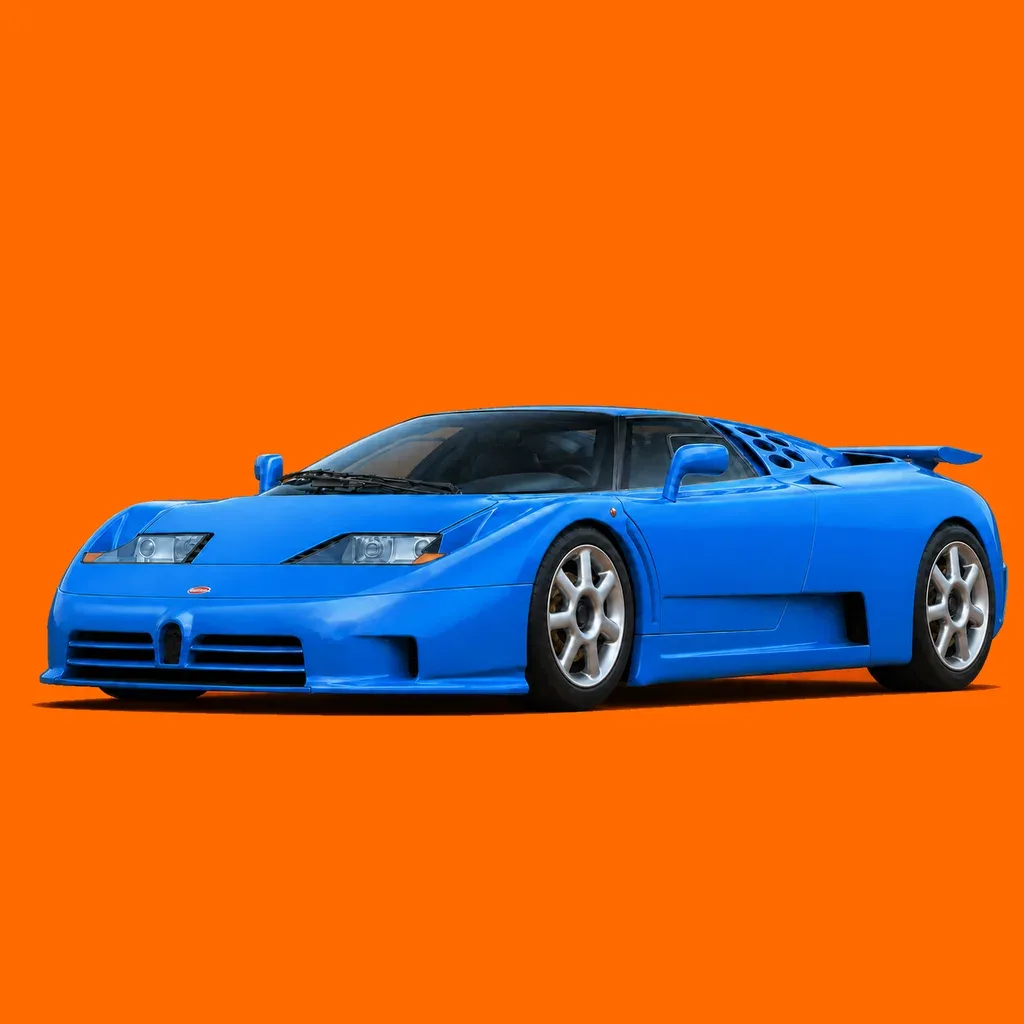
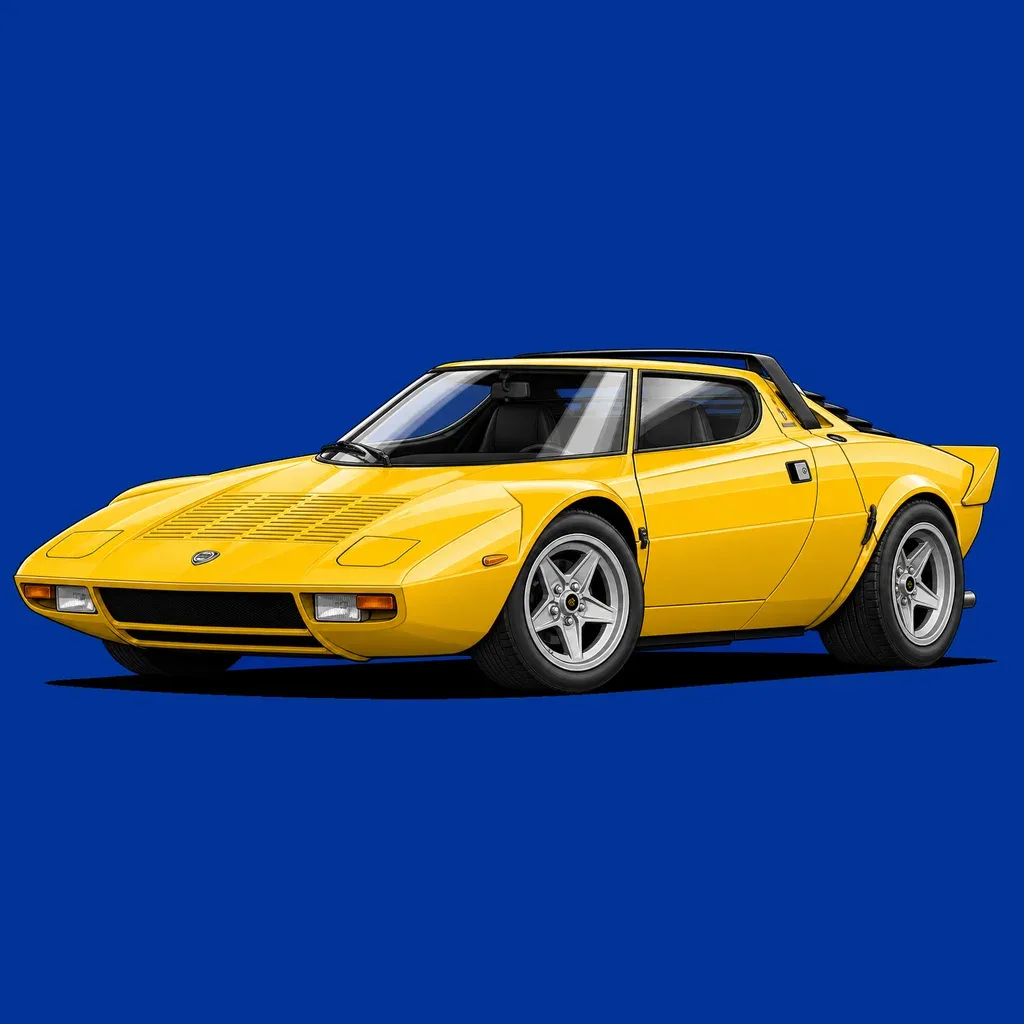
Over a 42-year career spanning roughly 38 projects, Materazzi worked across rally cars, Formula 1, road-going supercars, and motorcycles. He is most closely associated with Ferrari, where he led the F40 programme, but his engineering fingerprints also mark the Lancia Stratos, the Ferrari 288 GTO, and the Bugatti EB110. Colleagues and later retrospectives have called him 'Mr. F40' and 'the father of the F40', titles that undersell a career that began a decade before that car existed and continued well after it.
Formation
Where did it come from?
Materazzi was born on 28 January 1939 in Caselle in Pittari, Italy, into a family of physicians, and trained as an engineer at the University of Naples Federico II.
↓ Read deeper↑ Less
His fascination with cars began remarkably early: family accounts describe him asking his parents to read him newspaper articles about automobiles at age four. He attended the Liceo Classico in his father's home town, then studied engineering at the University of Naples Federico II, briefly working as an assistant professor there until the student demonstrations of 1968 prompted him to leave academia. Two moments are often cited as formative: watching the 1966 Targa Florio, where he was drawn to nimble cars like the Porsche 904, and witnessing Jochen Rindt's fatal accident at Monza in 1970. He built his first go-kart at 22, in 1961, before an internship at a Mobil Oil refinery near Naples introduced him to fuel chemistry, knowledge that would later inform his turbocharging work.
Career
What did they do?
Materazzi's career ran from Lancia's technical division in the late 1960s through Abarth, Osella, Ferrari, Cagiva, Bugatti, Laverda, and finally B Engineering, spanning 1968 to his retirement in 2006.
↓ Read deeper↑ Less
He joined Lancia in Turin as a calculations specialist, working on chassis, suspension and steering for the Flavia and Fulvia before his defining early project: the Lancia Stratos, first the Group 4 rally version and then the turbocharged Group 5 'Silhouette'. When Lancia's racing department merged into Fiat in 1978, he moved to Abarth to design a Formula Fiat Abarth racer, then to Osella late that year, where he designed both an F2 car (the FA2) and an F1 car (the FA1), leaving before the FA1 ever raced. In January 1980 he joined Ferrari as head of the design and engineering office under technical director Mauro Forghieri, hired specifically for his turbocharging expertise. He became the principal engineer behind Ferrari's adoption of turbo power from 1980, working on the 126C Formula 1 engine, the 288 GTO's F114B engine, the GTO Evoluzione, and finally the F40, before leaving Ferrari in 1988. Afterward, he directed Cagiva's motorcycle racing department, developing the GP500-class C589 and C591 with designer Massimo Tamburini. At the end of 1991, Romano Artioli brought him in to rescue the troubled Bugatti EB110 project; he stayed into the mid-1990s, briefly led Laverda's engine development in 1994, then closed his career with the B Engineering Edonis supercar, developed from 2000 and unveiled in 2001. He retired in 2006.
Body of Work
What did it create?
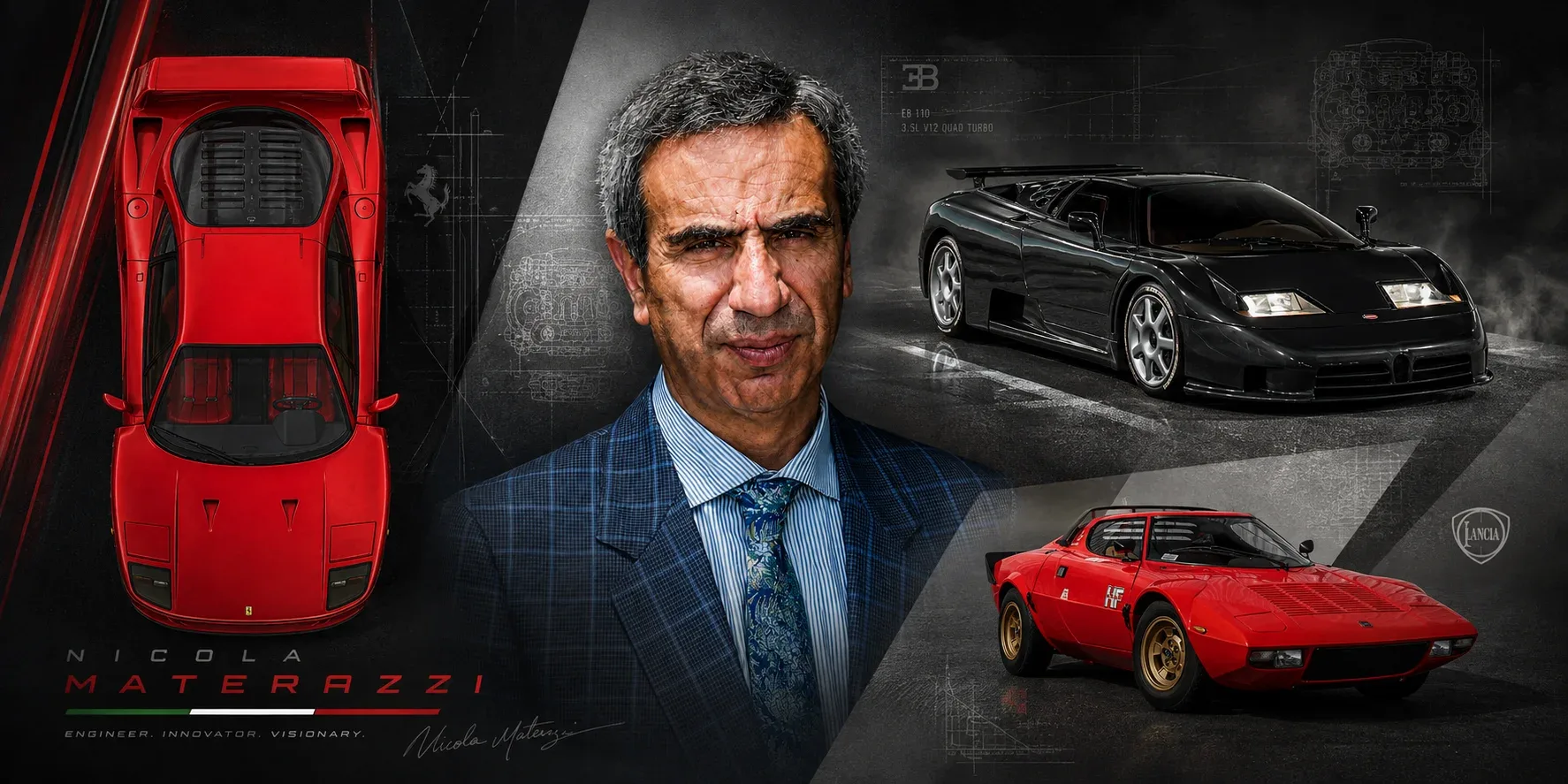
Materazzi's signature projects are the Lancia Stratos, the Ferrari 288 GTO, the Ferrari F40, and the Bugatti EB110, four cars that, between them, define his reputation as an engineer.
↓ Read deeper↑ Less
On the Stratos he developed the powertrain and suspension, and later the turbocharged engine and aerodynamics of the Group 5 'Silhouette' version. On the 288 GTO he engineered the F114B twin-turbo V8 and made the consequential decision to switch the engine from transverse to longitudinal mounting, reshaping the car's whole architecture. The F40 is the project most associated with his name: as chief engineer, he took the cancelled Group B-era GTO Evoluzione and, at Enzo Ferrari's direct request, turned it into a road car in roughly twelve months. On the Bugatti EB110, as technical director from 1991, he replaced the prototype's aluminium honeycomb chassis with carbon fibre, resolved early engine reliability problems, and reworked the torque split for more neutral handling, work good enough that Michael Schumacher personally ordered an EB110 SS after driving one.
Machines They Touched
What are the stories behind it?
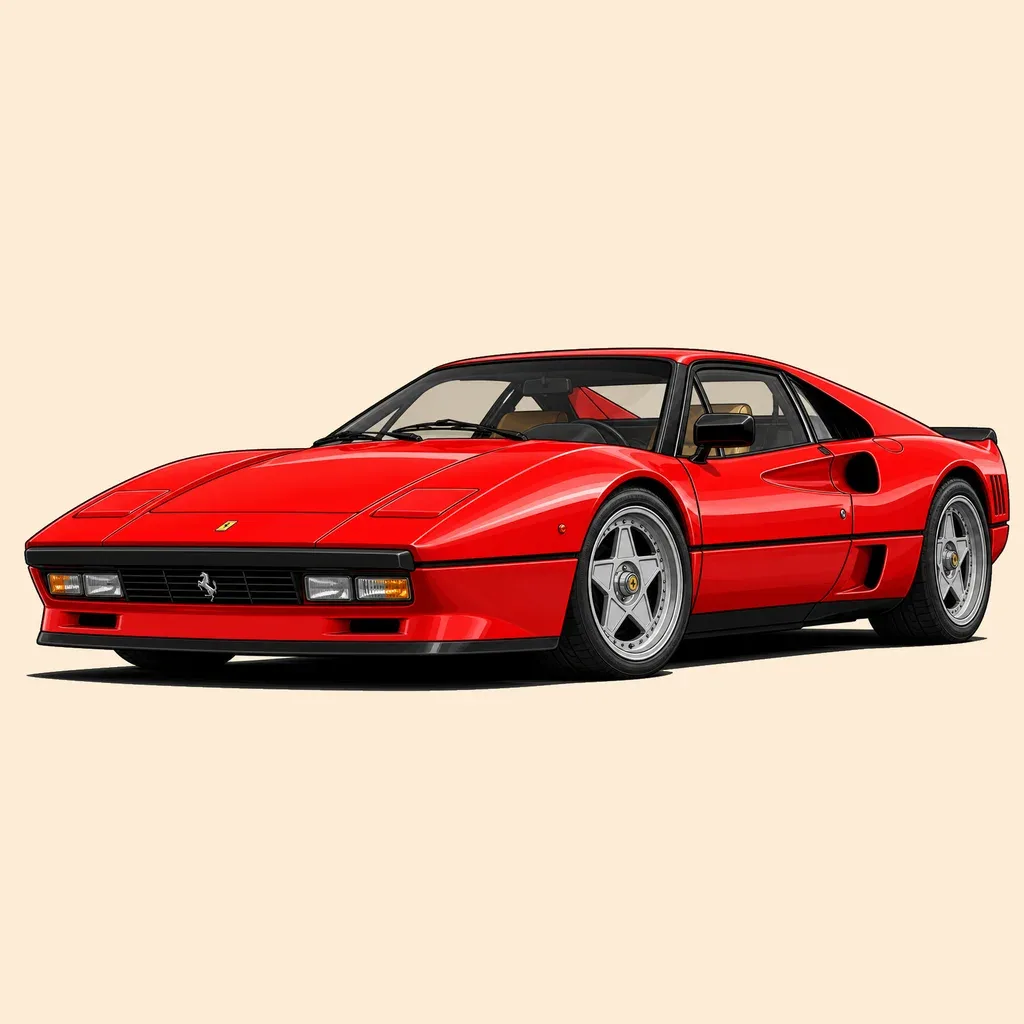
Two stories capture Materazzi's relationship with Enzo Ferrari: a diary note giving him rare freedom from interference, and the twelve-month sprint that produced the F40.
Encyclopedia4 sections
Legacy & Influence
What did it leave behind?
Journalistic
Materazzi is remembered chiefly as the engineer behind the Ferrari F40, and more broadly as one of the defining turbocharging specialists of his generation.
Motorsport Connection
Did it race?
Journalistic
Materazzi's motorsport work includes Ferrari's Formula 1 turbo programme, Osella's F1 and F2 cars, and Cagiva's 500cc Grand Prix motorcycle effort.
Cultural Recognition
What does it mean in culture?
Journalistic
Materazzi worked mostly out of the public eye, but his cars carry his reputation into popular culture, and at least one of his machines earned a real celebrity endorsement.
Myths, Rumors & Misconceptions
What do people get wrong about it?
Journalistic
A common misreading of the F40's story treats it as Ferrari's direct answer to the Porsche 959. Materazzi himself said the real 959 rival was the 288 GTO, not the F40.
Sources & Confidence
Sourced from two independently cross-checked accounts: Nicola Materazzi's Wikipedia entry and contemporaneous obituary coverage (Jalopnik, motorauthority.com, and other automotive press) following his death in August 2022.